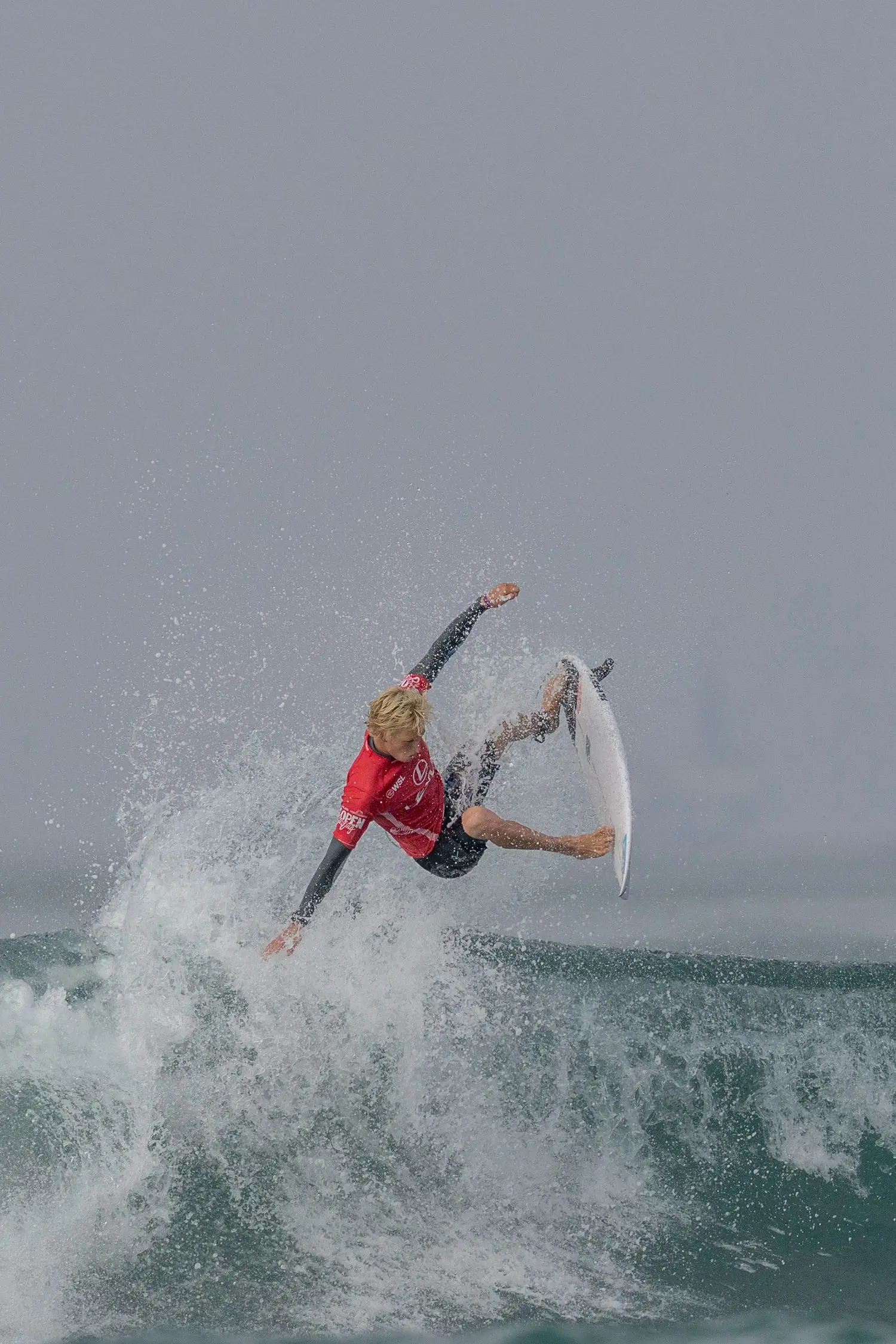
Shortboard
Open & age divisions
Timed heats focused on wave quality, committed manoeuvres, control and use of the wave. Suitable divisions are offered according to the entry field.
Ivorquellavessia club events are designed to make competition understandable and repeatable. Surfers learn how divisions, priority, judging, heat timing and score-building work, then use each event as another step in their development.
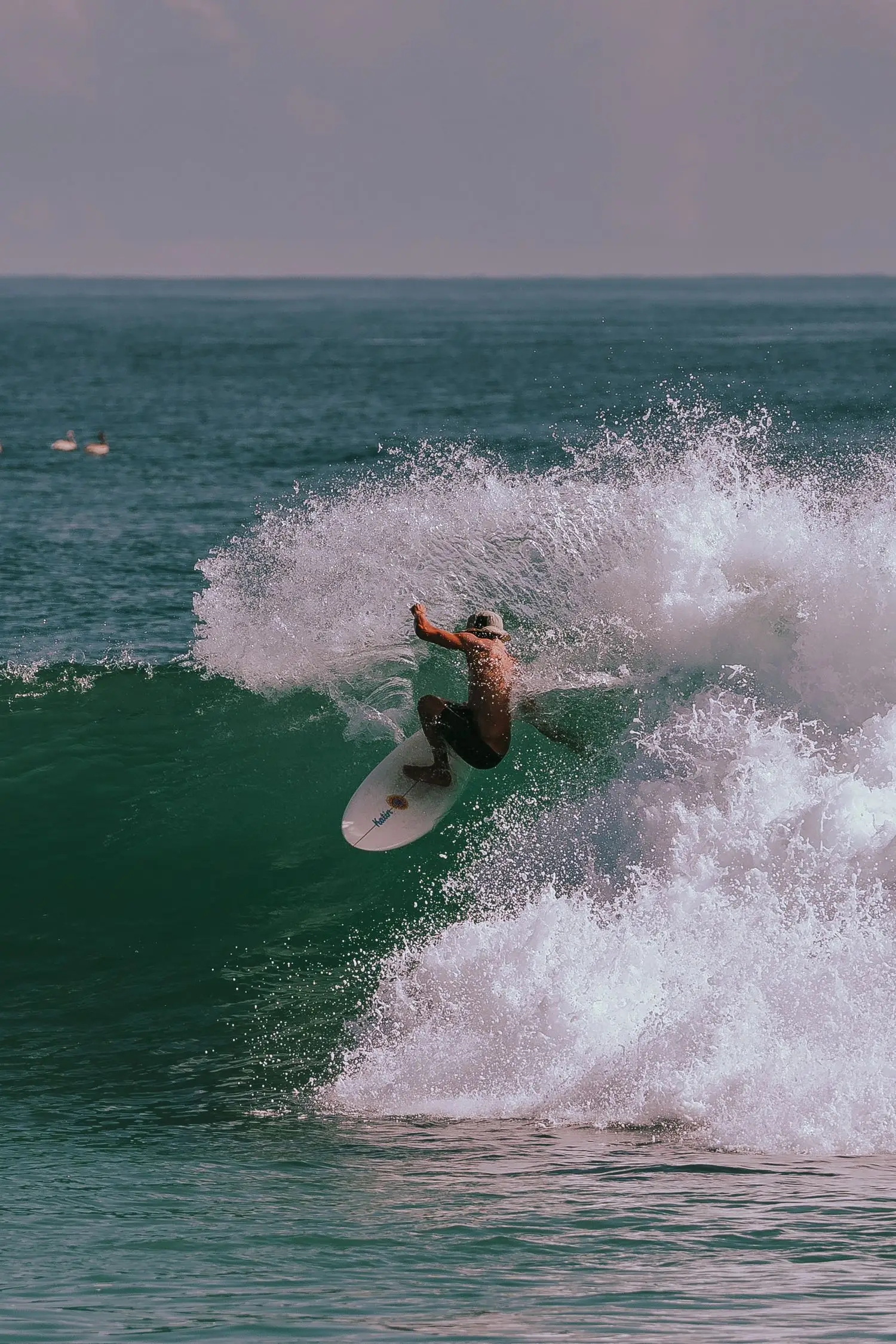
Start with a score you can build from. The best first decision is often the one that settles the heat.
Formats are chosen to create fair comparisons and useful learning. Division availability can change by event depending on entries and conditions, but the competition framework stays consistent.
Timed heats focused on wave quality, committed manoeuvres, control and use of the wave. Suitable divisions are offered according to the entry field.
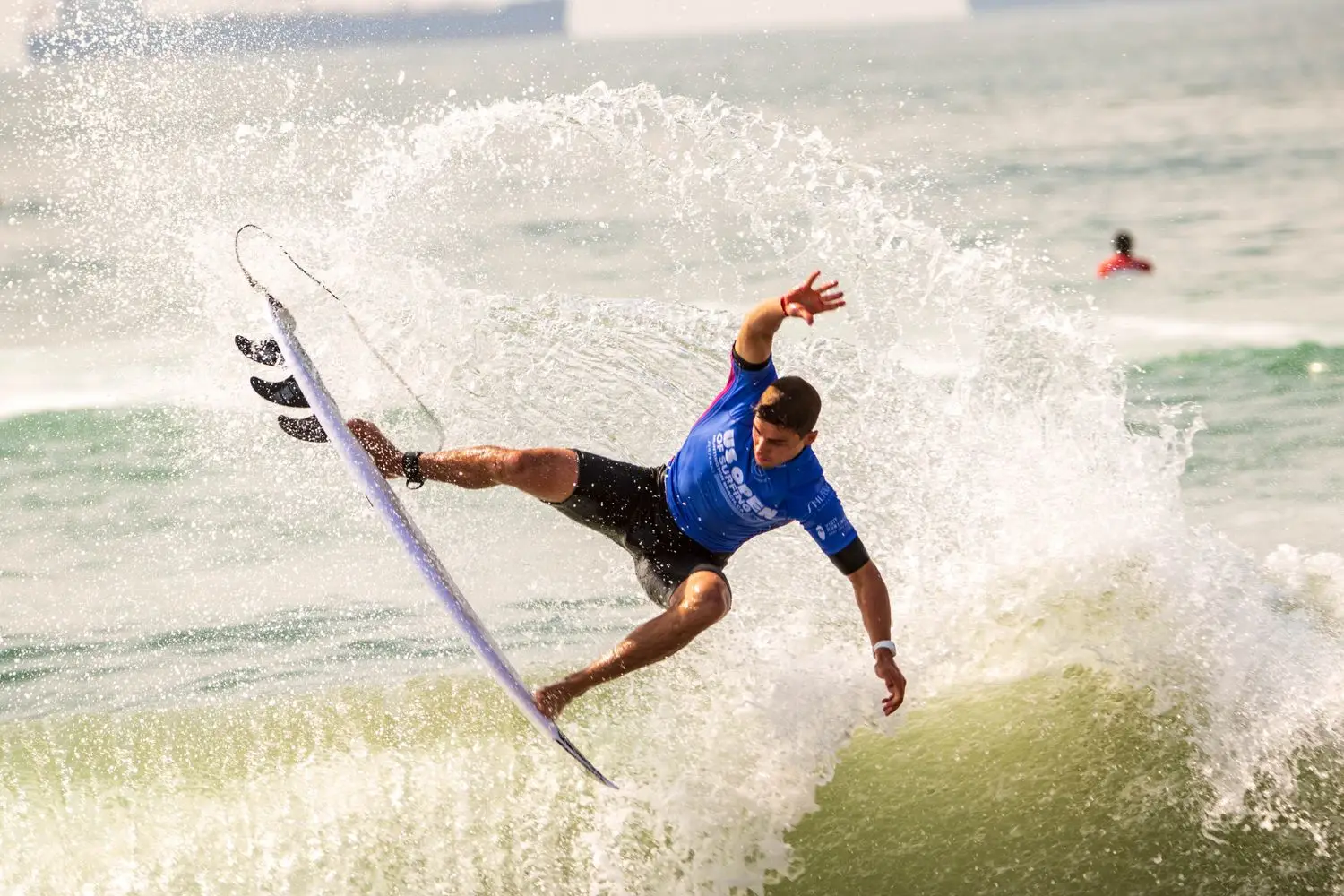
A supportive format for newer competitors who already surf independently. Briefings explain heat flow, priority and score requirements before competitors enter the water.
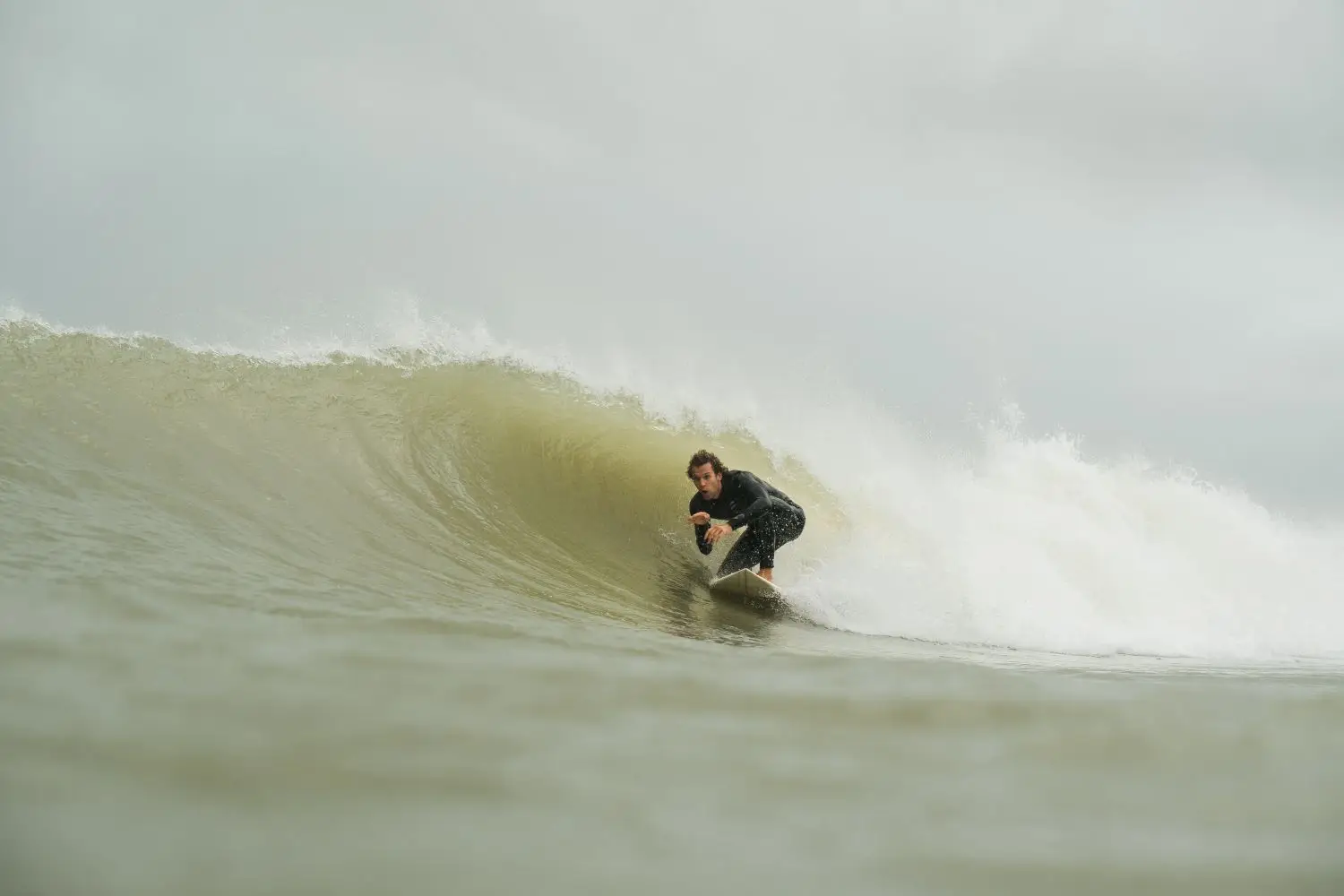
Occasional team and skills formats add variety without losing judging discipline. These sessions reward smart wave use, completion and adaptability.
Registration is intentionally simple. Members confirm the event, select the correct division and receive the competition briefing details. If an entry is unclear, the club team resolves it before the heat draw is published.
Check membership status, division criteria and event-specific requirements.
Use the club contact route to register interest and confirm the correct division.
Review check-in time, heat schedule, competition area and any format notes before arrival.
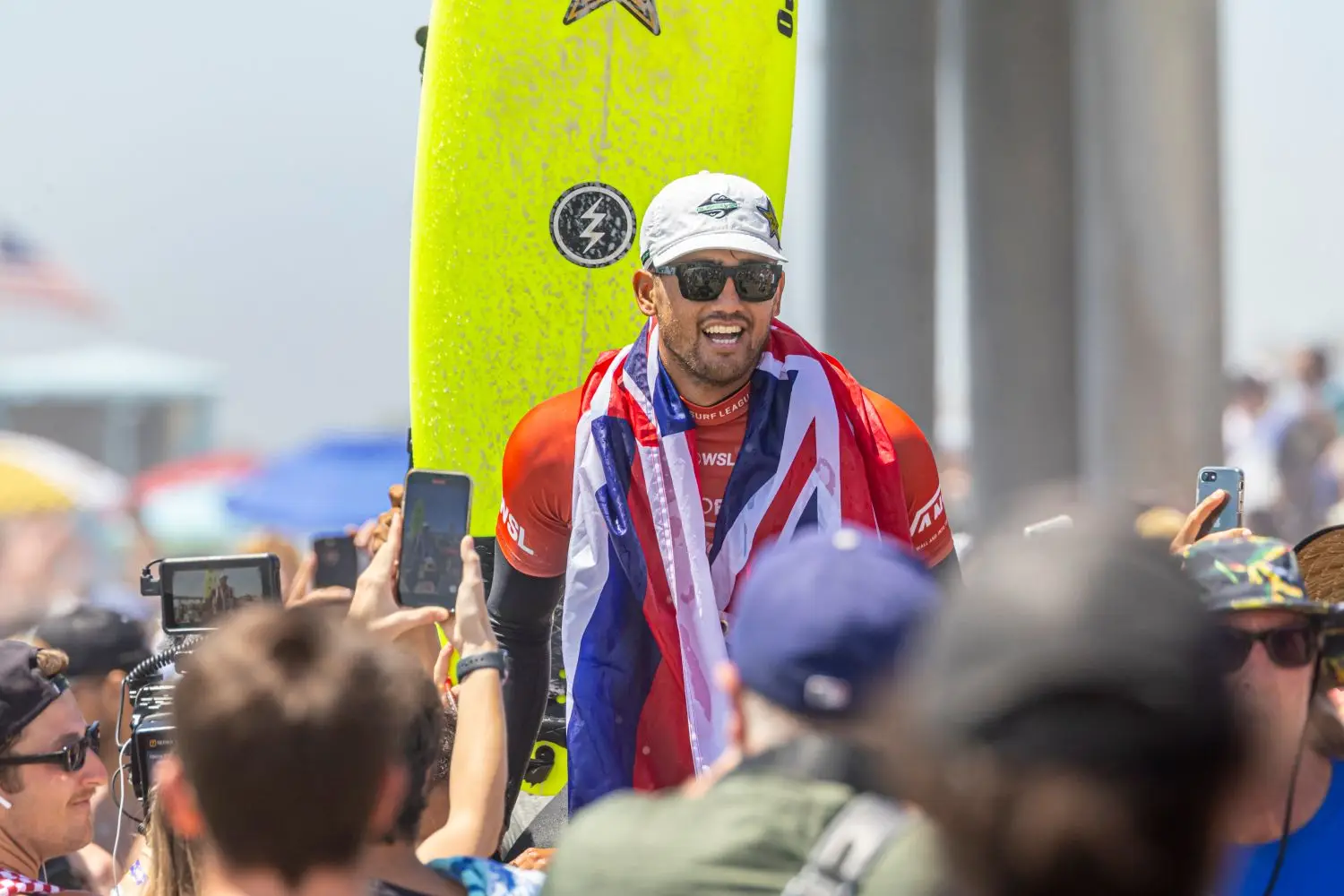
Judging looks at what a surfer does with the wave they choose. A completed ride that uses the best sections with commitment and control generally carries more value than a longer ride with low-impact turns.
Using critical parts of the wave and committing to manoeuvres with clear intent.
Selecting lines and manoeuvres that require timing, control and technical demand.
Showing more than one response when the wave provides different sections and opportunities.
Connecting manoeuvres without unnecessary pauses and carrying usable speed through the ride.
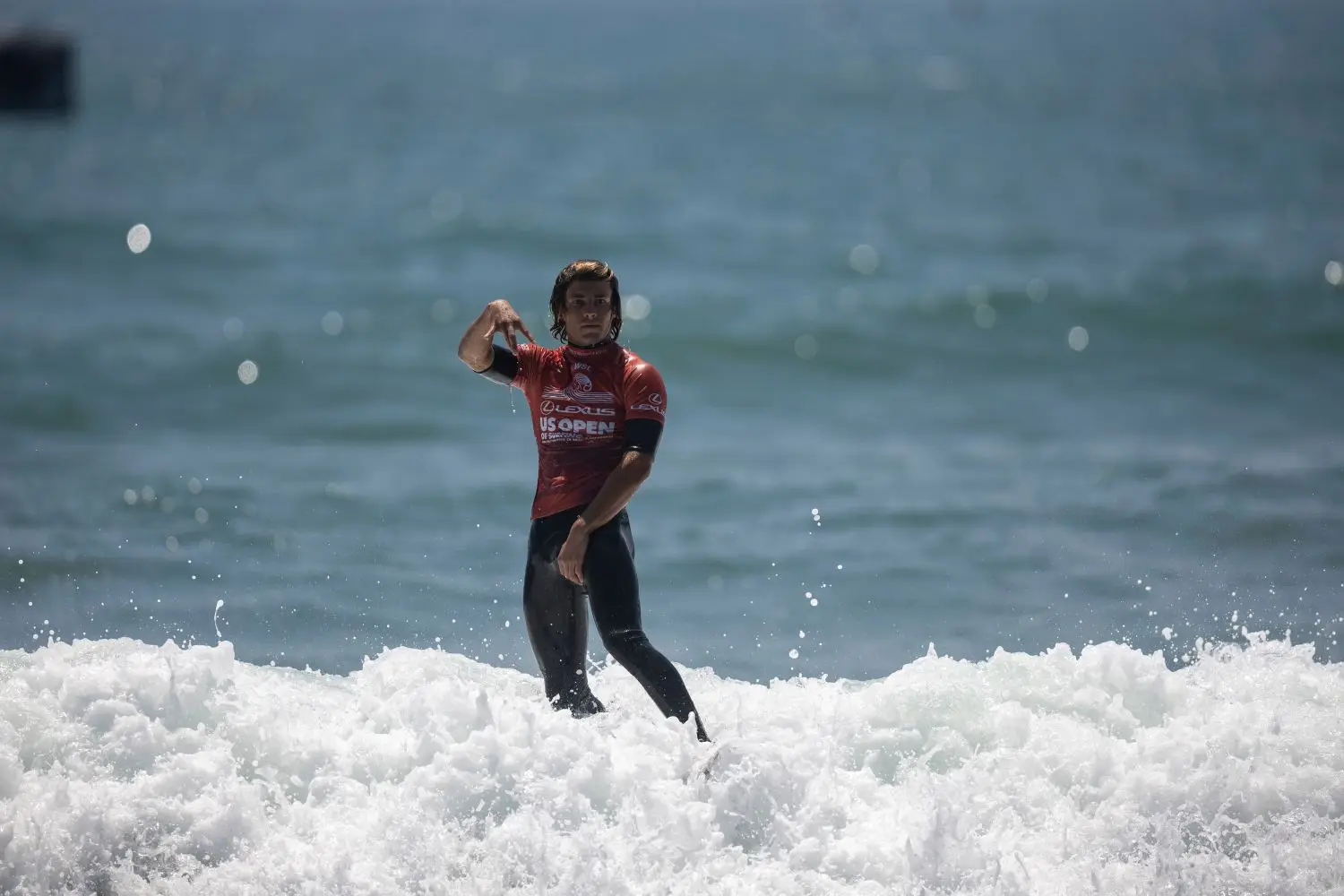
A heat is a decision environment. Surfers need enough activity to build a score, but too much chasing can pull them away from better waves. Training focuses on a few repeatable questions.
Confirm your heat, jersey or identifier process, competition area and any schedule changes. Early check-in leaves time to watch the bank before warm-up.
Notice where scores are coming from, how fast competitors are moving with current, and whether the strongest wave is shifting within the zone.
After the heat, separate outcome from process. Identify one decision that worked, one that cost opportunity and one priority for the next heat or session.
Yes, provided you surf independently and the available division suits your level. Let the club team know it is your first event so the briefing can cover heat flow and priority clearly.
Seeding may use previous club results, current division status and balanced draw principles. The aim is to create fair early rounds while keeping the process practical for the number of entries.
The competition team can adjust timing, location within the approved contest area or format details when conditions require it. Any change is communicated to competitors before the affected heats.
No. Membership gives access to the club pathway, but competitors choose which events suit their goals and availability.
Join the club, practise timed heats in training and ask the competition team which division is the right fit.